The first cool nights of the season are when many Tampa Bay homeowners notice a hairline that was not there in September. A line at a corner, a seam that catches the light, a short crack above a door. The instinct is to assume the house is settling, or that last year's patch failed. Often the cause is simpler: the indoor air just changed.
This guide explains why drywall cracks appear after Florida's first cool nights, how to tell a seasonal hairline from a crack that needs more than paint, and what to do in the first week so a small line does not become a repeat repair.
Why a cool night shows up on a Florida wall
For most of the year, a Tampa Bay house stays in a narrow indoor range: air-conditioning on, humidity managed, doors and windows shut against the heat. A cool front in November does not turn the house into a northern winter, but it does change the air. People open windows in the evening, turn the air conditioner down or off, and sometimes switch a heat pump into heat for the first time.
Drywall, joint compound and the wood behind them all move a little with temperature and humidity. They do not move at the same rate. A seam that was quiet all summer can open a hairline when the indoor air dries, or when one side of a wall is cooler than the other. Corners, the joints above doors and windows, and the line where a wall meets a ceiling are the usual places, because that is where stress already concentrates.
A single cool night will not wreck a wall. A week of larger swings — windows open in the afternoon, heat on at night, then the air conditioner back on — is when people start to see the lines. The same pattern shows up after a long stretch of rain followed by a dry, cool spell. The crack is often the surface reporting movement that has been happening in small amounts all along.
If the wall is stained, soft, or musty, stop thinking in terms of temperature. That is moisture, and it belongs with a water-damage assessment, not a tube of spackle. Our guide on what to do after a water leak in your walls is the better starting point for that situation.
Hairline, seam, or a crack that needs a closer look
Take a minute with a work light held low against the wall. The shape of the crack tells you more than the calendar.
- A hairline at an inside corner, or a short line above a door or window, that appeared after the first cool nights, is often seasonal stress. The wall is usually still firm, and the crack is narrow and clean.
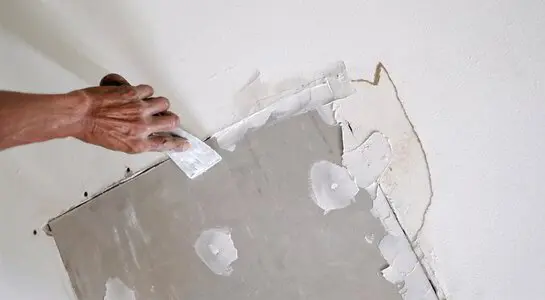
- A straight crack along a seam, or a ridge where tape is showing, can be a joint that was already weak. Cool, dry air made it visible. The repair is a taped joint, not a smear of filler, as in our step-by-step guide to cracks that keep coming back.
- A diagonal crack that is wide, stepped, or paired with a door that suddenly sticks, is not a weather story alone. That can be movement in the framing or the slab, and it should be looked at before anyone paints over it.
- Cracks that follow a stain, a soft spot, or a musty closet are moisture until proven otherwise.
Florida walls are also often textured. Orange peel and knockdown hide a hairline until the sun hits it at a low angle. A line you only see in the late afternoon is still a real crack. It is just easier to miss on a textured surface.
Older plaster in some Clearwater and Tampa bungalows behaves differently from drywall. If the wall is plaster, do not treat it like a sheet of gypsum. See our notes on repairing plaster cracks in a Florida home before you cut or sand.
What to do in the first week
Do not paint the crack on the morning you find it. Paint will not hold a joint that is still moving, and a coat of paint makes it harder to see whether the line is growing.
Mark the ends of the crack with a light pencil tick, or take a close photo with a coin for scale. Check it again after a few days of more typical weather. A hairline that stays the same is a candidate for a proper repair when you are ready. A line that lengthens, widens, or is joined by new cracks in the same room should be inspected.
Keep indoor conditions steadier if you can. Running the system in a moderate range, with the fan on Auto, is gentler than opening the house all afternoon and heating it hard at night. You do not need to keep a Florida house sealed like a northern winter. You do want to avoid a large, daily swing while you are deciding whether the crack is stable.
Leave the crack alone if you are in the middle of a leak, a roof repair, or a plumbing opening in the same wall. Finish the source, let the cavity dry, and then repair the surface. A beautiful patch on a wall that is still getting wet will fail.
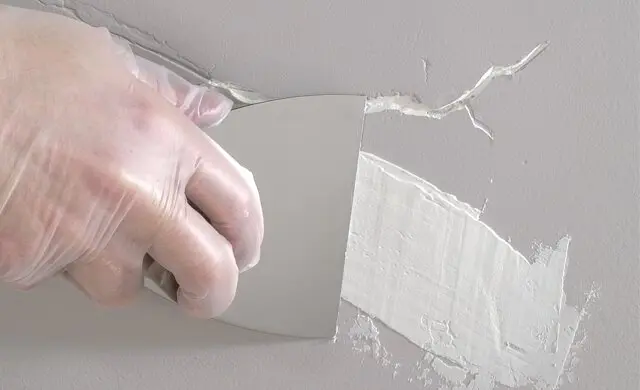
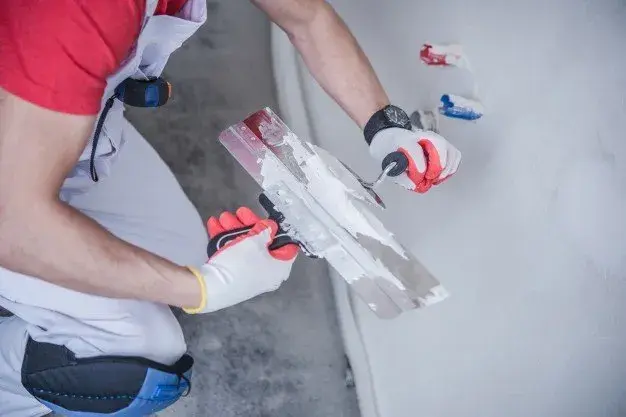
For a short, clean hairline on a firm wall, a taped repair is the lasting fix. Filler alone often returns with the next change in weather. If you want the method, the taped-crack guide above walks through tools, tape and coats. If the crack is long, on a ceiling, or in a room you have already patched more than once, seam and crack repair is the service that re-tapes and blends the texture.
Those same cool-week lines are often the first thing people notice when they walk the house before holiday company. If you are deciding which marks to fix first, drywall repairs before holiday guests ranks the quick jobs and the ones that can wait until January.
Texture, ceilings and the repairs that show
A smooth smear on a knockdown wall will show forever, even if the crack is closed. Match the texture before you prime, and paint the wall from corner to corner rather than spotting the patch. Humid weather slows drying between coats of compound, so a repair that would be a one-day job in a dry climate may need overnight waits here.
Ceiling lines deserve more caution than a small wall hairline. A ceiling crack can be a seam, a truss lift, or a sign of moisture from above. If the ceiling is discolored, sagging, or soft, do not tape over it. If it is a clean, stable hairline at a joint, it can still be a taped repair, but working over a living room with dust control is a different setup than a closet wall.
After plumbing, electrical, or HVAC work, new cracks near an access hole are common. The opening should be closed with a proper patch, not a swipe of compound on cut paper. Our repairs after plumbing work page covers that sequence.
Preventing the next round of seasonal lines
You will not stop a house from moving. You can reduce the swing and keep small lines from becoming a habit.
- Keep indoor humidity and temperature in a moderate range, especially in the week after a front comes through.
- Fix leaks when you find them, including a slow condensate line or a window that wets a sill.
- Avoid slamming doors on walls that already show diagonal cracks at the casing.
- If a room has cracked at the same seam two seasons in a row, have the joint re-taped instead of filling it again.
- On a house that sits on a slab, watch for cracks that appear with sticky doors or a floor that has changed. That is beyond a cosmetic patch.
A small, stable hairline after a cool week is common in this climate. It is not automatically a foundation emergency, and it is not a reason to ignore a crack that is wide, wet, or growing.
Getting a crack looked at in Tampa Bay
The Patch Guyz are based on Drew Street in Clearwater and repair walls and ceilings throughout Pinellas and Hillsborough County. If you are not sure whether a line is seasonal or something more, text a photo to 727-242-8500 for a written estimate, usually within the hour. For general wall and ceiling work, see wall and ceiling repair in Florida. For texture that has to disappear into an existing finish, texture matching is part of the same repair, not an afterthought.