
After the Storm
Storm Damage Drywall Repair After Roof Leaks and Wind-Driven Rain
A tropical storm passes, and a day later a brown ring spreads across the ceiling or the wall under a window turns soft. Once the roof or window is fixed and the area has dried, The Patch Guyz cut out the damaged drywall, patch it and match the texture.
- Veteran-owned
- Background-checked techs
- 1-year written warranty
- Text-a-photo quotes
Free estimate in about an hour
- Text a photo to 727-242-8500
- Written quote = final price
- HEPA dust control on every job
- Walkthrough before you pay
What storm water does to drywall
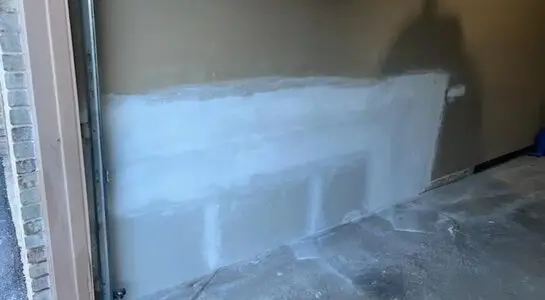
Gypsum board is a mineral core wrapped in paper. When rain gets in through a lifted shingle, a cracked tile, a soffit gap or a window frame under wind pressure, the paper soaks it up and the core softens. On a ceiling, that weight pulls the board down between framing and you see a stain, then a sag. On a wall, water often runs down inside the cavity and shows up low, where paint bubbles or baseboards swell.
The trouble with hurricane-season leaks is that the damage keeps going after the rain stops. Insulation above a ceiling can stay wet for days, and Florida humidity slows drying. That is why a quick coat of stain-blocking paint is rarely the right answer after a storm. The water has to be gone and the soft board has to come out before a lasting patch can go in.
Fix the source before the drywall
We do not do roofing, windows or exterior work, and no drywall patch will hold if the opening that let the water in is still there. Call a licensed roofer or window contractor first and ask them to confirm the leak is sealed. If you are waiting on them, a tarp or temporary cover from a qualified professional is the usual stopgap.
While you wait, take clear photos of every stain, sag and wet spot before anything is moved or cut. Homeowners often find those pictures useful if they decide to talk to their insurer. We do not handle insurance claims, but the same photos are what we use to give you a written quote. If the water came from a pipe rather than the weather, our page on drywall repair after plumbing leaks is the better fit.
Dry-out, moisture checks and mold awareness
Closing up a wall too soon is the most common way storm repairs fail. These are the points we work through before patching.
Let it dry fully
Run AC and fans, open any attic access and give the area time. Board that feels dry on the surface can still be damp at the back, especially along the bottom of a wall.
Check with a meter
A moisture meter shows how far the wet area actually spreads, which is often wider than the visible stain. That reading decides where we cut.
Watch for mold
A musty smell, dark speckling or fuzzy growth on the back of the board means you need a licensed mold specialist. We do not do mold remediation, and we will pause the repair until it has been handled by someone who does.
Insulation and framing
Soaked ceiling insulation holds water against the new board. If it is matted or stained, have it replaced before the ceiling is closed. Framing that stays wet needs more drying time.
How we repair storm-damaged sections
Map and cut out the damage
We mark the wet and stained area, then cut back to sound, dry board, usually to the nearest framing so the new piece has solid edges to fasten to.
Install a replacement piece
New board of matching thickness is fitted into the opening. On ceilings we often choose a sag-resistant board and add backing where joints fall between framing.
Tape, fill and feather
Joints are taped and filled in several coats with a hard-setting compound first, then sanded flat so the patch sits level with the old ceiling or wall.
Match texture and touch up
We match the existing texture, seal any lingering stain with a stain-blocking primer and touch up the paint on the repaired area so it blends.
Patch work, not a full flood rebuild
Our storm work covers damaged areas: a stained ceiling bay, a section under a leaky window, a strip of wall at the bottom of a cavity, damaged corner bead where water ran down an edge. When a home has taken in floodwater across several rooms and drywall has to come out wall-to-wall at a set height, that is a rebuild, not a patch. For those jobs you need a general contractor who can coordinate drying, framing, electrical checks and new drywall installation, and we will tell you so honestly.
For ceiling stains that are dry and stable, our ceiling water stain repair page explains when sealing and refinishing is enough. If the ceiling has cracked along the seams after the leak, see ceiling crack repair. Broader leak, sag and ceiling damage is covered on our wall and ceiling repair overview.
Getting a quote after a storm
Text photos of the damage to 727-242-8500, including a wide shot of the room and close-ups of each stain or soft spot. We usually send a free written quote within the hour, and the written quote is the final price. We are veteran-owned, based in Clearwater, and cover six counties; check yours on the service area page, or reach us another way through our contact form.
Storm & Roof Leak Drywall Repair in your town
We fix this across six West Central Florida counties. Pick your town for local details.
Frequently Asked Questions
Does wet drywall always have to be replaced?
Not always. A small area that got damp briefly, dried quickly and is still firm can sometimes just be sealed and refinished. Board that sagged, crumbled, stayed wet for days or shows any sign of mold should be cut out. A moisture reading and a press test usually decide it.
How soon after a hurricane can you patch the ceiling?
Only after the roof is repaired and the area has dried out. That can take several days, longer if insulation above was soaked. Patching too early traps moisture and invites a new stain or mold behind the repair. We would rather wait than redo it.
Can you help with my insurance claim?
We do not handle insurance claims or deal with adjusters. What we can say is that homeowners often want clear photos of the damage before any work starts, and our written quote spells out exactly what we will repair if you choose to share it.
I see a few spots of mold. Can you just cut it out?
No. We do not do mold remediation. Please have a licensed mold specialist assess and treat the area. Once they are finished and the space is dry, we can patch and texture the drywall.
Do you repair water damage across a whole house?
We repair damaged sections and patches. If floodwater affected several rooms and drywall needs to come out across whole walls, that is a rebuild best run by a general contractor who can handle installation and the other trades involved.
Keep exploring
Tell us about the damage
Send the details and a photo through the form and we reply with a written quote, usually within the hour. The quote is the final price.
- Free virtual estimate, no obligation
- Veteran-owned, background-checked technicians
- HEPA dust control on every job
- 1-year written workmanship warranty
Get Your Free Estimate Today
Fill in your details and we'll respond within the hour — often in minutes.
Prefer not to use the form? Text a photo to 727-242-8500 or call 1-877-728-2448.
Ready for a flawless repair?
Text a photo, call for a free estimate, or send the form. We serve Tampa, Clearwater, Lakeland, Bradenton, Sarasota and all of West Central Florida.
Or text a damage photo to 727-242-8500 for a written quote, usually within the hour.