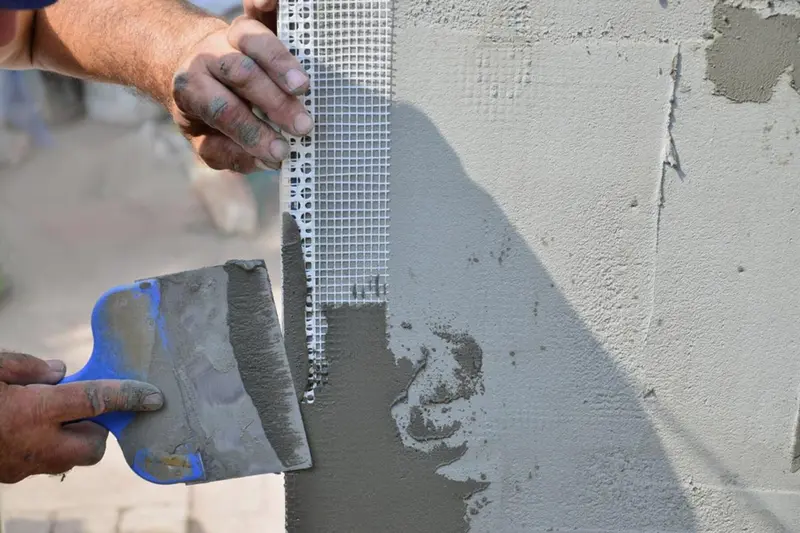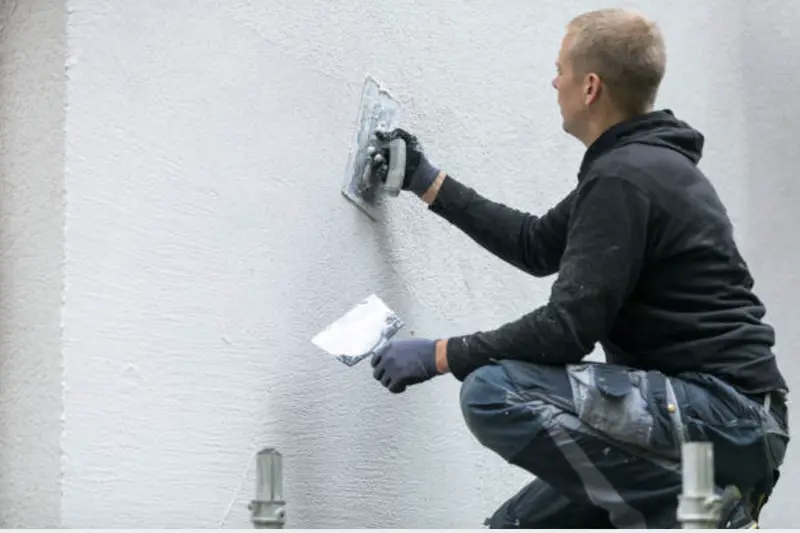

Stucco is a big part of why Tampa Bay homes look the way they do. It is tough, fire-resistant and handles heat well. But stucco is a porous cement finish, not a waterproof shell. Once it cracks or separates, Florida's afternoon storms, wind-driven rain and humidity can push water into the wall behind it.
The good news is that stucco usually warns you before it fails. Here are the signs of stucco damage to watch for, what they usually mean, and why a professional repair is a smart investment.
As a note on who does what: The Patch Guyz don't repair exterior stucco; we work on interior walls and ceilings only. For the stucco itself, use a stucco specialist. We are often the ones repairing the drywall and plaster inside after a stucco leak, which is why we see the consequences of waiting.
Warning Signs on the Outside
Cracks
- Hairline cracks are common as stucco cures and the house goes through heat cycles. They are mostly cosmetic but should be sealed before they widen.
- Diagonal cracks off window and door corners are stress points. Water often enters here.
- Stair-step or long horizontal cracks may point to movement in the structure and deserve a closer look.
- Map or spider cracking across a whole wall can mean the finish coat was applied poorly or is breaking down.
Stains and discoloration
Dark streaks running down from windows, rust-colored stains or patches that stay darker long after rain all suggest water is getting in or being held in the wall.
Bulging, blistering or hollow spots
Tap stucco gently with a knuckle or the handle of a screwdriver. A dull, hollow sound means the stucco may have separated from what is behind it. Bulges and blisters often mean trapped moisture.
Efflorescence
White, powdery deposits are salts carried to the surface by water moving through the stucco. On its own it is cosmetic, but it shows that water is moving through the wall.
Failed sealant around openings
Cracked or missing caulk where stucco meets windows, doors, light fixtures and hose bibs is one of the most common entry points.
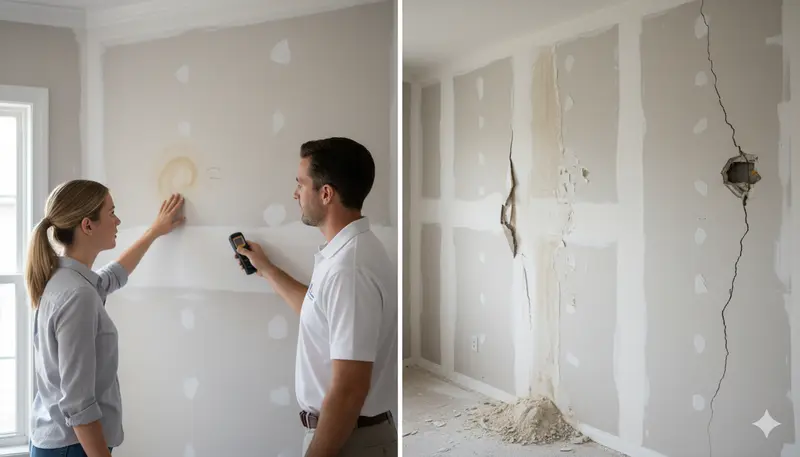
Warning Signs on the Inside
Inside is often where stucco problems are first noticed:
- Bubbling paint or stains below windowsills on exterior walls
- Soft or swollen drywall near the floor on exterior walls
- Baseboards pulling away or warping
- Musty smells in closets or rooms on exterior walls
- Cracked plaster on the inside of block walls lining up with cracks outside
If you see these, have the exterior inspected. Repairing the inside without stopping the water only means repairing it again. Once the source is fixed, our wall and ceiling repair team can restore the interior.
Why Professional Stucco Repair Is Worth It
It stops the water
The real job of a stucco repair is keeping water out. A professional diagnoses where water is entering, not just where the crack looks worst, and seals it with compatible materials.
It protects what is behind the wall
On a block home, long-term moisture can damage interior finishes and encourage mold. On a frame home, it can rot sheathing and framing. Either is far more disruptive to fix than the stucco itself.
It looks right
A good stucco repair matches the surrounding texture and is painted to blend in. A visible patch can be a red flag to buyers and inspectors.
It lasts
Compatible patching materials, proper curing and elastomeric coatings where appropriate let the repair move with the wall instead of cracking again at the edges.
The Risks of DIY Stucco Repair
Sealing a hairline crack with an elastomeric patch is a reasonable homeowner task. Beyond that, DIY repairs often fail because:
- The wrong material is used and cracks around the patch
- The texture does not match and the patch stands out
- The real water entry point, often a window or flashing detail, is missed
- Moisture is sealed in behind the repair
Routine Stucco Care in Tampa Bay
- Walk the house before rainy season and after major storms
- Re-caulk around windows, doors and penetrations as needed
- Keep sprinklers from soaking the walls
- Keep soil and mulch below the bottom edge of the stucco
- Repaint or recoat on a sensible schedule to keep the surface sealed
For a closer look at what drives repair quotes, see our guide to stucco repair cost factors in Tampa. If water has already reached the inside of your home, text a photo to 727-242-8500. The Patch Guyz repair interior drywall and plaster damage across Pinellas County and the rest of the Tampa Bay area.