Walk around almost any neighbourhood in Tampa and you will see the same construction: concrete block walls finished with a cement-based stucco coat, then painted. It is a durable, practical combination for Florida. But stucco is rigid, and rigid materials crack. The question is never whether your stucco will crack. It is which cracks matter.
Before you start comparing local stucco repair companies, it helps to understand what you are looking at.
How Stucco on Block Works
On most Tampa homes, stucco is applied directly over concrete block, unlike frame houses elsewhere where stucco sits on lath over wood sheathing. The stucco is a protective and decorative skin. Paint on top adds another layer of water resistance.
Because it is bonded to the block, stucco often shows what the block is doing underneath: shrinkage, small settlement movements and the joints between blocks.
Reading the Cracks
Hairline cracks
Thin, often random or spider-web patterns, sometimes called map cracking. These usually come from normal shrinkage as the stucco cured. They are mostly cosmetic but can let small amounts of water in over time, so they are worth sealing during the next repaint.
Cracks at window and door corners
Diagonal cracks running from the corners of openings are common. They happen where stress concentrates. Small ones are usually cosmetic; wider ones near windows can let water reach the interior.
Stair-step cracks
Cracks that follow the mortar joints of the block in a stepped pattern suggest movement in the wall. Fine, stable ones may be minor. Wide, growing or uneven stair-step cracks should be checked by a structural professional before any cosmetic repair.
Horizontal cracks
A long horizontal crack, especially near the top of the wall or along a floor line, can relate to the bond beam or other structural elements. Have it assessed.
Bulging, hollow or delaminating areas
Tap the wall with a knuckle. A hollow sound or a bulge means the stucco has separated from the block, often because water got behind it. Those areas need to be removed and replaced, not just patched.
Inside Signs That Stucco Is Letting Water In
Often the first clue is not outside at all. Check inside along exterior walls for:
- Peeling or bubbling paint below windows
- Stained or soft drywall at the base of exterior walls
- Swollen baseboards
- A musty smell in a closet on an exterior wall
- Mildew on the inside face of exterior walls
If you see these, the exterior has to be fixed before any interior repair. Once it is, the drywall on the inside can be repaired or replaced; our page on interior wall and ceiling repair explains that side of the job.
Comparing Local Stucco Repair Companies
When you contact stucco contractors, ask:
- What do you think caused these cracks? A good contractor explains the cause rather than just quoting a patch.
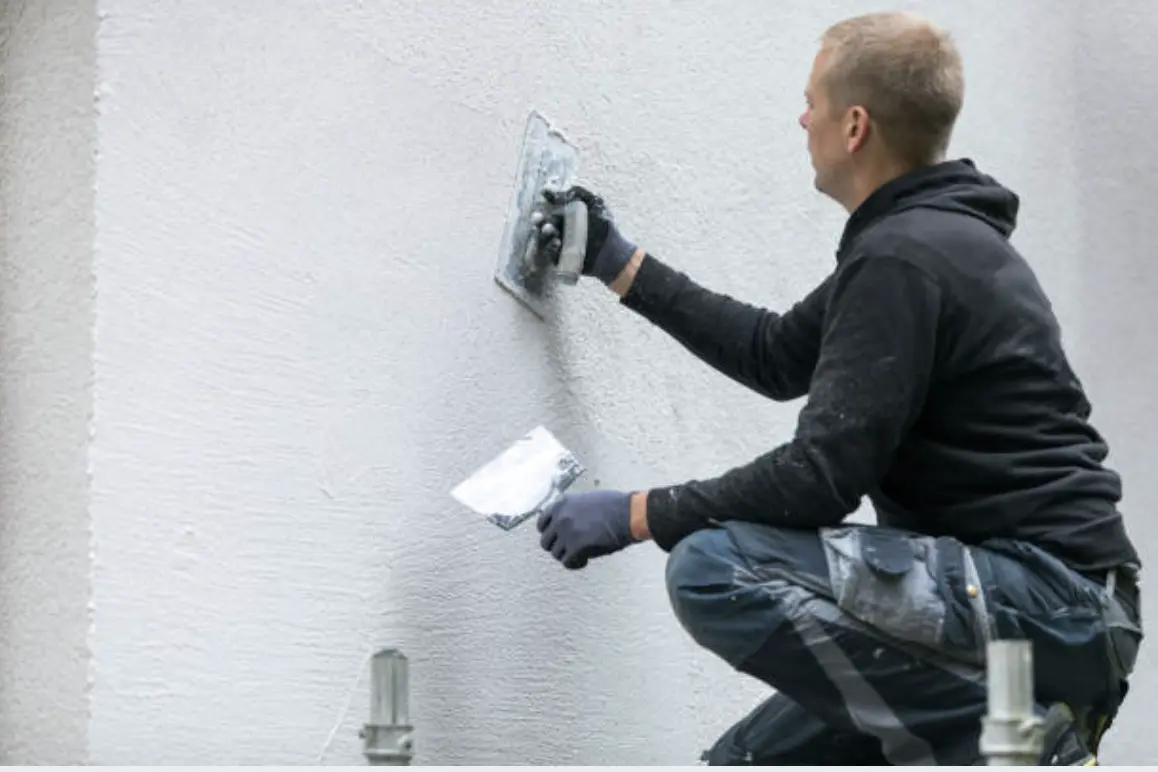
- How will you repair them? Hairlines are often sealed with elastomeric coatings; larger cracks may be routed out and filled with a flexible patching material; delaminated areas are removed and re-stuccoed.
- How will you match the existing texture? Stucco textures vary from smooth to heavy sand finishes, and mismatched patches are obvious.
- Will you repaint the whole elevation or just the patches? Spot-painting stucco rarely matches.
- Do you check for water behind the stucco before covering it?
- Is the quote written, detailed and final?
- What warranty is offered in writing?
Red flags
- Covering cracks with paint or caulk only, without addressing the cause
- No mention of checking for moisture or delamination
- Reluctance to explain the repair method
- Pressure for a large deposit before any work starts
Timing Stucco Work in Tampa
Stucco and coatings cure best in mild, dry weather. Many homeowners schedule exterior repairs for the drier months and before hurricane season, when wind-driven rain tests every crack. For a broader view of when to tackle projects, our seasonal home maintenance guide for Tampa lays out a calendar.
Interior Plaster Is a Different Trade
Some homeowners confuse exterior stucco with interior plaster. Older homes may have hard plaster walls inside, which crack for many of the same reasons. Interior plaster repair uses different materials and techniques; see our page on plaster wall repair if your cracks are on the inside.
Where The Patch Guyz Fits
We are a veteran-owned interior repair company based in Clearwater. We do not repair, patch or paint exterior stucco, and we don't do any other exterior work, so for the cracks outside you need one of the stucco companies described above. Once a stucco contractor has fixed the outside, we repair the water-damaged drywall and plaster on the inside, then prime and touch-up paint the repaired areas. Text photos of the interior damage to 727-242-8500 for a free virtual estimate, usually returned within the hour.
For more on why professional stucco work matters, read why invest in professional stucco repair.