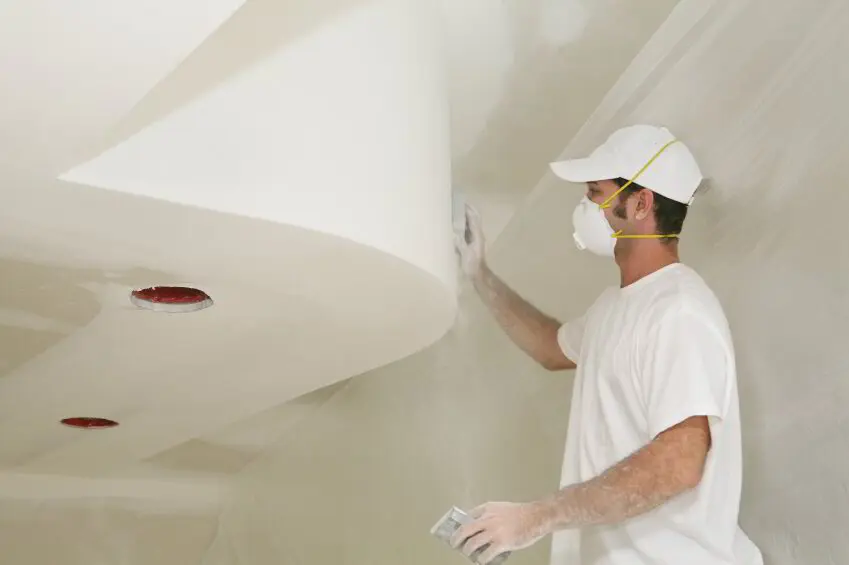
You call a drywall contractor about a damaged wall and hear: "We will cut it back to the studs, hang a new piece, tape and mud it, float it out, hit it with knockdown and prime it." Everyone in the trade understands that sentence instantly. Most homeowners do not.
Knowing the vocabulary helps you compare quotes, ask better questions and spot when something important has been left out. Here is a plain-English glossary of the terms you are most likely to hear around Greater Tampa.
The Material
Drywall, sheetrock, gypsum board
All mean the same thing: panels of gypsum pressed between paper. "Sheetrock" is a brand name that became a generic word.
Board thickness
Half-inch is standard for most interior walls. Thicker board is used on some ceilings and where fire separation is needed, such as between a garage and living space.
Moisture-resistant board
Drywall with treated paper and core, often with a coloured face, used in bathrooms and laundry rooms. It resists humidity better but is not waterproof; tile showers need cement board or a proper waterproof backer.
Mold-resistant board
Board with a paper or fibreglass face designed to resist mold growth. Popular in Florida's humid climate for areas at higher risk.
Installation Terms
Hanging
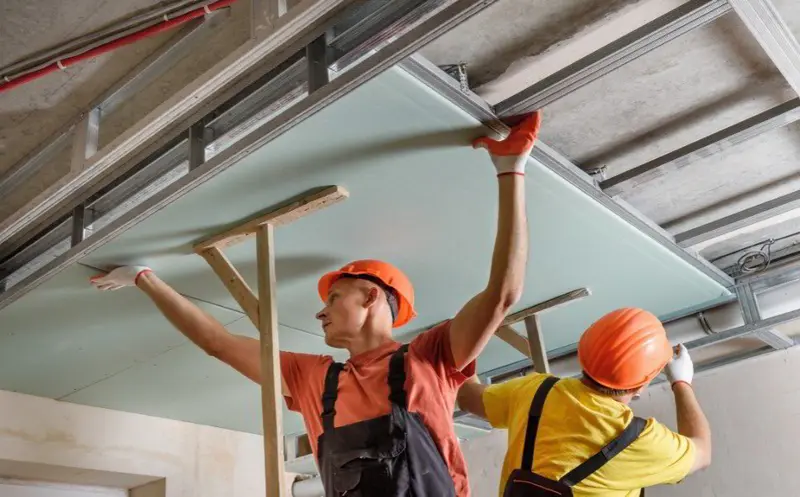
Fastening drywall sheets to studs or ceiling joists with screws. Hangers measure, cut and install.
Furring strips
Thin wood or metal strips fastened to concrete block walls so drywall has something to screw into. Very common on exterior walls of Florida block homes.
Tapered edge and butt joint
The long edges of a sheet are slightly tapered so tape and compound sit flush. The short ends are not tapered; where two short ends meet is a butt joint, which is harder to hide.
Corner bead
Metal, vinyl or paper-faced strips that form crisp outside corners and protect them from knocks. Dented corner bead is a common repair.
Finishing Terms
Mud
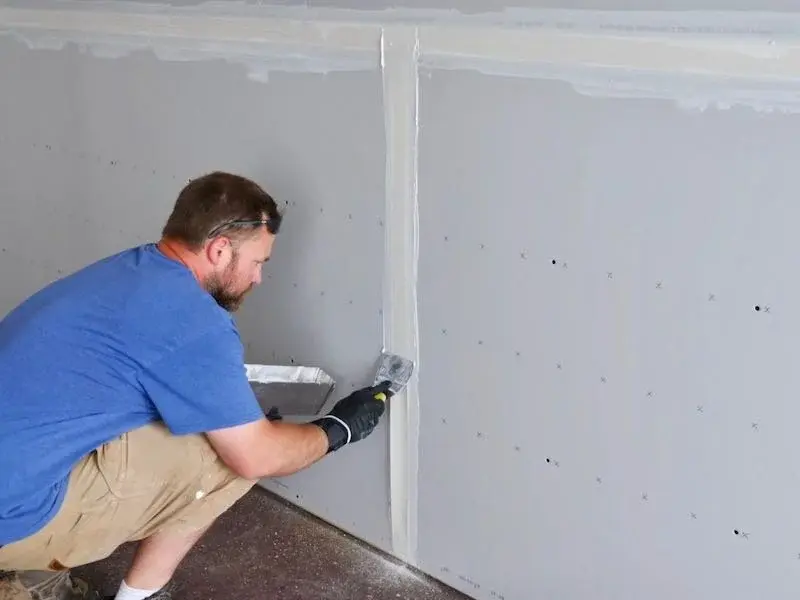
Joint compound. "Mudding" means applying it.
All-purpose, topping and setting compound
- All-purpose: ready-mixed, good for most coats
- Topping: lighter, easier to sand, for final coats
- Setting-type ("hot mud"): a powder mixed with water that hardens by chemical reaction, useful in humid conditions and for fast turnarounds
Taping
Embedding paper or mesh tape over seams in a bed of compound.
Floating or feathering
Spreading compound wider and thinner with each coat so the repair blends into the wall with no visible edge.
Skim coat
A thin coat of compound over an entire surface to make it uniformly smooth. Used after wallpaper removal, after popcorn removal and for walls under strong light.
Finish levels
An industry scale from bare taped board up to a full skim. Level 4 is common for painted homes; Level 5 adds a full skim coat for the smoothest result. Our drywall finishing page goes into more detail.
Flashing
When patched areas show through paint as a dull or shiny patch, usually because primer was skipped.
Texture Terms
Orange peel
A fine spray texture that looks like the skin of an orange.
Knockdown
Splatters of compound sprayed on, then flattened with a trowel to create a mottled look. Very common in Tampa-area homes built in recent decades.
Skip trowel
A hand-applied texture with irregular, slightly raised patches.
Popcorn or acoustic
The bumpy ceiling texture common in homes built before the mid-1980s. Older popcorn may contain asbestos and must be tested before it is disturbed.
Texture matching
Recreating an existing texture on a repair so it blends in. Often the hardest part of a repair to do well. See our page on wall and ceiling texture work.
Repair Terms
Nail pop or screw pop
A fastener that has pushed out through the finish as the board shifted.
California patch
A small patch made from drywall with its paper face left as a flange, used for medium holes without backing.
Cut-out or cut-and-replace
Removing damaged drywall to a clean rectangle and installing a new piece.
Backing or blocking
Wood strips added behind a cut-out so the new piece has something to attach to.
Stain-blocking primer
A primer that seals water and smoke stains so they do not bleed through paint.
Using the Vocabulary
When you read a quote, check that it mentions each stage you expect: cutting out or patching, taping, the number of coats, texture matching, priming and painting. Missing words often mean missing work.
The Patch Guyz is a veteran-owned repair company based in Clearwater, serving Greater Tampa across Hillsborough, Pinellas and Pasco counties as well as Polk, Manatee and Sarasota. We fix and replace damaged sections; if a renovation is changing whole rooms, that is work for a drywall installer or general contractor. Our page on damaged drywall replacement explains where a section replacement ends and a new install begins. For background on new installs, read expert tips for drywall installation in Tampa.
Text a photo of the damage to 727-242-8500 for a free virtual estimate; we will explain the quote in plain English.