When a finisher says a wall is "Level 4" or "Level 5," they are using an industry scale that describes how much work has gone into hiding seams and fasteners. Knowing the scale helps you ask for the right finish, compare quotes fairly and avoid paying for more – or less – than a room needs.
The six levels at a glance
Level 0
Drywall is hung, but nothing else. No tape, no compound. Used only in temporary situations or where the final finish has not been decided.
Level 1
Tape is embedded in compound at joints and interior corners. Tool marks and ridges are acceptable. You will see this above ceilings, in attics and in service areas that nobody will look at.
Level 2
Tape is embedded, and one thin coat covers the tape and fasteners. Common in garages, storage areas and as a base for tile in some situations.
Level 3
A second coat goes over joints and fasteners. The surface is reasonably smooth but not refined. Suitable for walls that will receive heavy texture, which hides minor imperfections.
Level 4
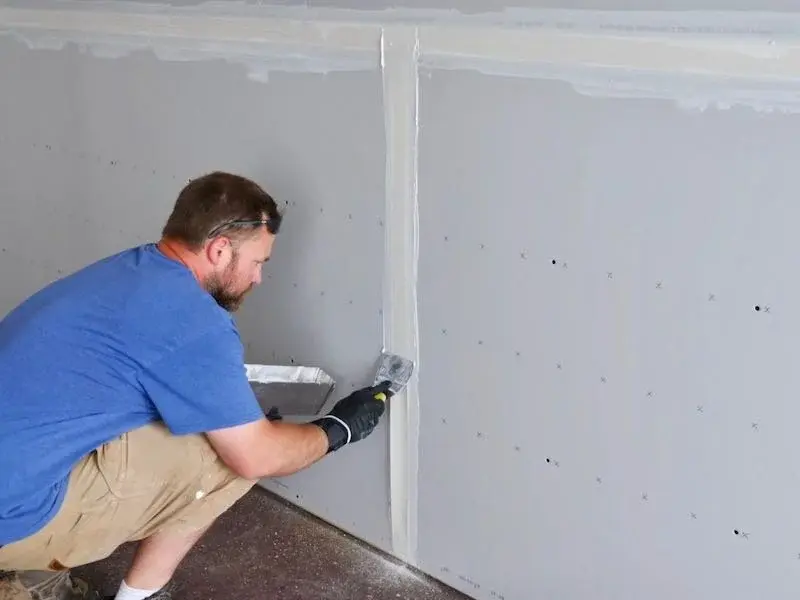
A third coat on joints and fasteners, sanded smooth. This is the standard for most painted living spaces: bedrooms, living rooms and hallways with flat, matte or eggshell paint and light textures such as orange peel.
Level 5
Everything in Level 4, plus a thin skim coat over the entire surface. The skim coat evens out the texture difference between compound and drywall paper, so the whole wall reflects light the same way.
How the levels compare
Appearance
Levels 1 to 3 will show seams under paint. Level 4 looks good in most light. Level 5 looks flawless even under raking light from a window or with satin or semi-gloss paint.
Time
Each level adds coats, and each coat must dry. Level 5 adds a full skim coat and extra sanding, so it takes noticeably longer. In humid Florida weather, drying between coats can stretch the schedule further.
Durability
A higher finish level does not make drywall stronger, but well-bedded tape and properly feathered joints are less likely to crack or show seams later.
Effort and cost
Higher levels mean more material and more labour. That is why it makes sense to match the level to the room rather than apply Level 5 everywhere.
Choosing the right level for each space
- Garages and utility rooms: Level 2 or 3
- Walls receiving knockdown or heavy texture: Level 3
- Most bedrooms, living areas and hallways: Level 4
- Rooms with big windows, sliding doors or long walls lit from the side: consider Level 5
- Glossy or dark paint: Level 5 helps avoid visible seams
- Smooth ceilings after popcorn removal: often skim-coated to a Level 5-style finish
Florida light is a big factor. Bright sun through sliders and wide windows rakes across walls and ceilings, revealing every ridge. A room that looks fine on a cloudy morning can show seams in the late afternoon.
Finishing techniques that make the difference
Regardless of level, good finishing relies on a few habits:
- Fully bedded tape with no air pockets
- Thin coats, each wider than the last
- Complete drying between coats
- Light sanding with a low-angle light to check
- Primer suited to the finish, so compound and paper take paint evenly
Common mistakes include piling on compound, sanding through the paper face and skipping the primer. Each one shows up once the wall is painted.
Repairs and finish levels
When repairing a wall, the patch must match the finish level of the surrounding surface. A Level 3 patch on a Level 4 wall will show. A smooth patch on a textured wall stands out too, which is why repairs often need texture matching as part of the finish.
Getting the finish you want
When asking for quotes, state the finish level you expect and the paint sheen you plan to use. That way every contractor prices the same job. Our patch finishers bring repairs, seams and replaced sections up to the level of the wall around them, and our page on taping and finishing for repairs explains how that works. For newly hung board in a renovation, ask your drywall installer for the finish level you need. For a Clearwater-focused look at choosing a finishing company, see our guide to professional drywall finishing services in Clearwater.
Every job includes HEPA dust control, a walkthrough before payment and a 1-year written workmanship warranty.