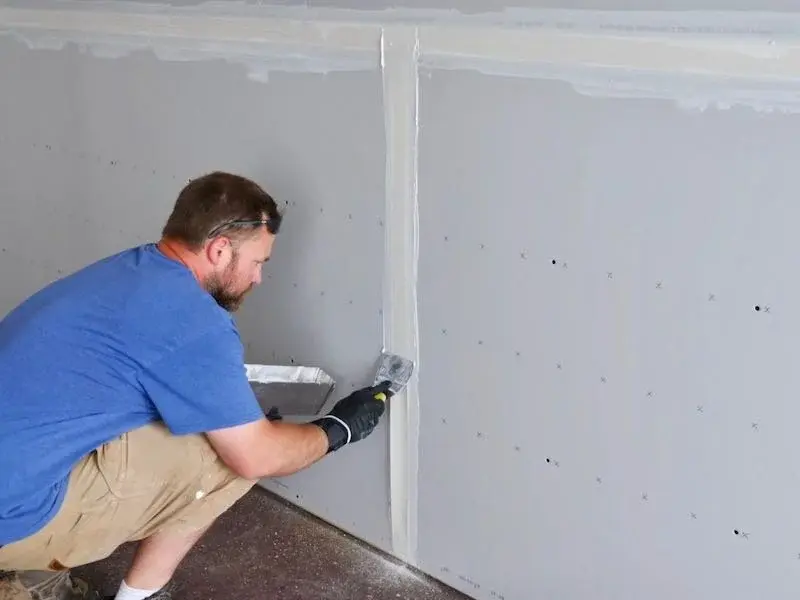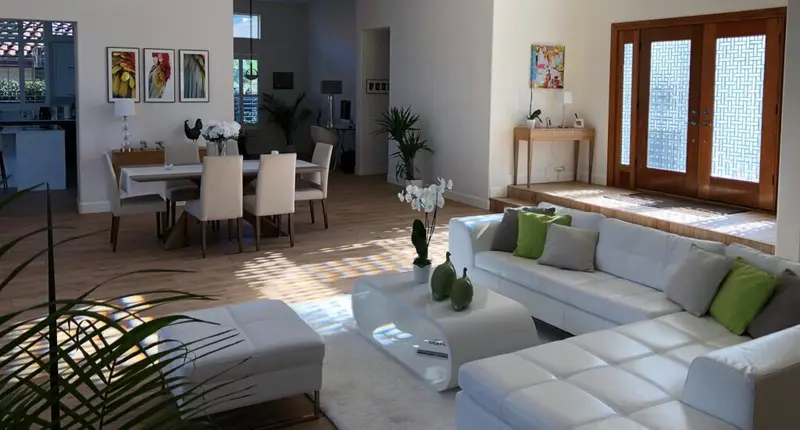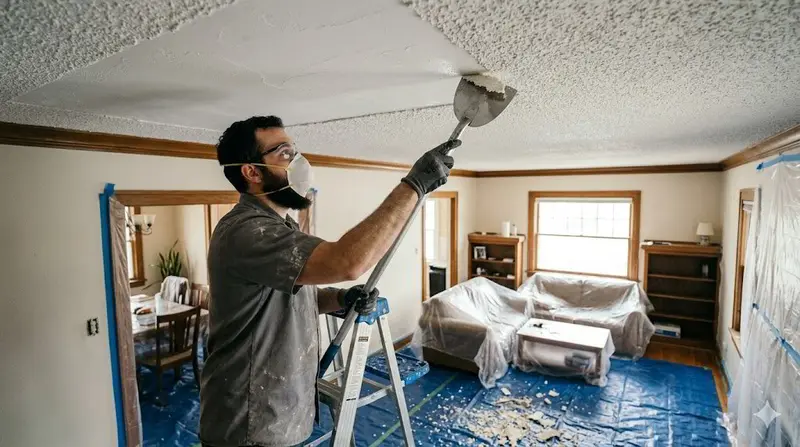

Here is a complaint drywall finishers hear constantly in coastal Florida: "The wall looked perfect when it was done. Now, every afternoon, I can see every seam."
Nothing changed in the wall. What changed is the light. Low sun through a sliding glass door, a wall of windows facing the water, or a ceiling fixture close to a wall all send light skimming across the surface. That raking light turns tiny ridges and dips into shadows. Finishers call it critical lighting, and it is one of the main reasons professional drywall finishing matters in Clearwater homes.
What Critical Lighting Looks Like
You probably have it if:
- A wall sits next to or opposite a large window or slider
- Light hits the wall at a shallow angle at certain times of day
- You have recessed lights or sconces close to the wall
- Long hallways get sun from one end
- Ceilings sit above clerestory windows or skylights
Under those conditions, flaws that are invisible head-on become obvious: tape edges, screw heads, ridges where coats overlap, sanding scratches and slight humps over patches.
Finish Levels, Briefly
The drywall industry describes finishing in levels, from bare board up to a full skim. In plain terms:
- Lower levels have tape and compound over seams but are left rough. They are for garages, attics and areas that will be covered.
- Level 3 adds coats suitable for heavy texture.
- Level 4 is the common standard for painted walls in homes: seams and fasteners covered with several coats and sanded smooth. It looks fine in normal light, especially with flat paint or light texture.
- Level 5 adds a thin skim coat of compound over the entire surface, so the paper and compound have one uniform texture. It is the recommendation for walls under critical lighting and for glossier paints.
For a deeper technical comparison of these methods, see mastering drywall finishing techniques.
Why Level 4 Can Fail in Bright Rooms
On a Level 4 wall, the paper face and the compound over the seams absorb paint differently and have slightly different surface textures. In normal light you cannot tell. Under raking sunlight, the seams can show as faint stripes even if they are perfectly flat. This is called photographing or flashing.
A skim coat over the entire wall evens out both texture and absorption, which is why it solves the problem when nothing else does.
Paint Sheen Matters Too
Sheen magnifies flaws. The glossier the paint, the more light it reflects and the more any irregularity shows.
- Flat and matte hide the most
- Eggshell is a common compromise in living spaces
- Satin and semi-gloss in kitchens and baths are much less forgiving
If you want a wipeable eggshell or satin finish on a wall that gets afternoon sun, plan the finishing to match.
What Good Finishing Looks Like in Practice
A professional finisher working on a bright Clearwater room will:
- Inspect the wall with a work light held flat against it, marking every shadow
- Fix fastener pops and loose tape before adding compound
- Feather seams wide, often well over a foot, so there is no visible edge
- Skim the full surface where light demands it
- Sand lightly, recheck with the light, and repeat on any remaining shadows
- Prime with a quality primer to equalise absorption before paint
That is slower than a basic finish, and it is the reason the result holds up at four in the afternoon.
Humidity and Finishing
Coastal humidity changes how compound behaves:
- Ready-mixed compound dries slowly in humid air and can shrink between coats if rushed
- Setting-type compound is often used for early coats because it cures chemically
- Running the AC with the house closed shortens drying and reduces shrinkage
- Sanding compound that is still damp leaves gouges that show under light
When Clearwater Homeowners Need Finishing Work
Typical situations include:
- Removing wallpaper that tore the drywall paper
- Popcorn removal followed by a smooth ceiling
- Patches and repairs that show after painting
- New walls in a remodel that need to match existing ones
- Older walls with years of patches that look lumpy in daylight
Hiring for Finishing
Ask any contractor:
- How will you check the wall under the light it actually gets?
- Do you recommend a full skim for this room, and why?
- Is primer included, and which one?
- What sheen do you suggest for this wall?
The Patch Guyz has a dedicated finisher, Adrian, and a paint supervisor, Daryl, so the repairs we finish are primed and touch-up painted to blend. We finish repairs and replaced sections rather than newly hung board, and we don't repaint whole rooms. Learn more about our drywall finishing work, or see how we approach painting prep for drywall.
We are based in Clearwater and serve the whole city, from neighbourhoods near downtown to Countryside. Our Clearwater drywall services page has local details. To get started, text a photo of the wall in the light that bothers you to 727-242-8500; you will usually have a written quote within the hour.