Drywall itself has not changed much: gypsum, paper, tape and compound. But the materials and tools around it have improved steadily. Some of these changes make a real difference to how long a repair lasts, how clean the house stays and how invisible the patch is – especially in a climate like West Central Florida's.
Here is a practical look at the newer techniques worth knowing about.
Compounds that work with the weather
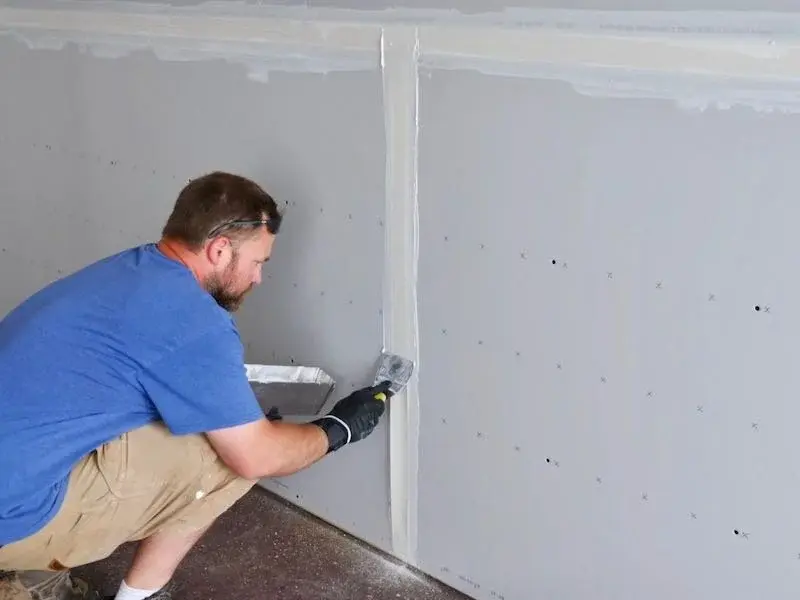
Setting-type compound
Traditional premixed compound dries by evaporation, which is slow when the air is humid. Setting-type compound is mixed from powder and hardens by chemical reaction instead, in a working time printed on the bag. Benefits:
- Sets predictably even in muggy weather
- Shrinks less, so deep fills need fewer coats
- Harder once set, which suits patches and corners that take knocks
The trade-off is that it is harder to sand, so many finishers use it for the first coats and a lighter compound on top.
Lightweight and low-dust compounds
Lightweight premixed compounds are easier to spread and sand. Some formulas are designed to produce heavier dust particles that drop rather than float, which helps keep a home cleaner.
Tapes and patches
- Paper tape remains the strongest choice for seams and inside corners.
- Self-adhesive mesh tape speeds up flat-wall crack repairs, ideally covered with setting compound.
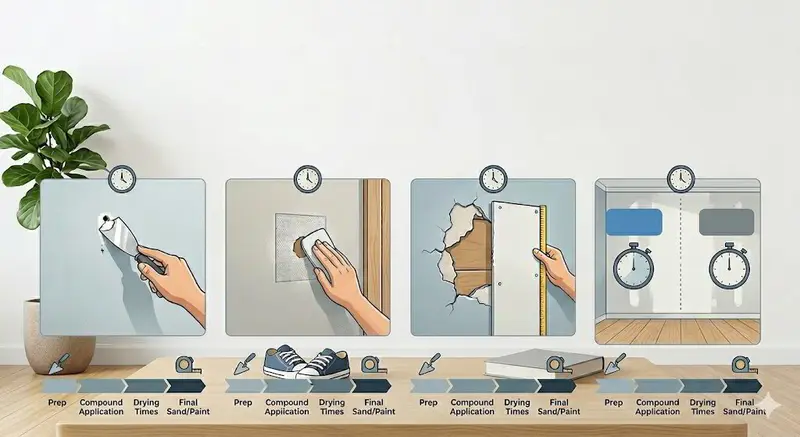
- Pre-made metal-backed or mesh patches make small hole repairs quicker for homeowners.
- Backing clips hold a replacement drywall piece in a cut-out without needing wood strips.
Smarter corner protection
Outside corners take a beating, and flexible corner bead – paper-faced bead with a metal or composite core – bonds to compound like tape and resists cracking better than older nailed-on metal bead. It also handles angled and curved corners that older bead could not.
Boards built for damp rooms
Moisture- and mould-resistant drywall uses treated cores and facings that hold up better in humid spaces. In Florida, it is a sensible choice for bathrooms, laundry rooms and walls near exterior doors. It is not waterproof, and it will not fix a leak, but it buys valuable resilience.
For tiled showers, cement board or a similar backer is still the right material behind tile.
Cleaner sanding
Sanding used to mean dust in every room. Modern vacuum sanders and HEPA-filtered dust extraction pull dust from the sanding head straight into a sealed canister. Combined with plastic containment and careful wet-sponging for small areas, this keeps fine gypsum dust out of air vents, carpets and furniture.
At The Patch Guyz, HEPA dust control is standard on every job, not an upgrade.
Better texture matching
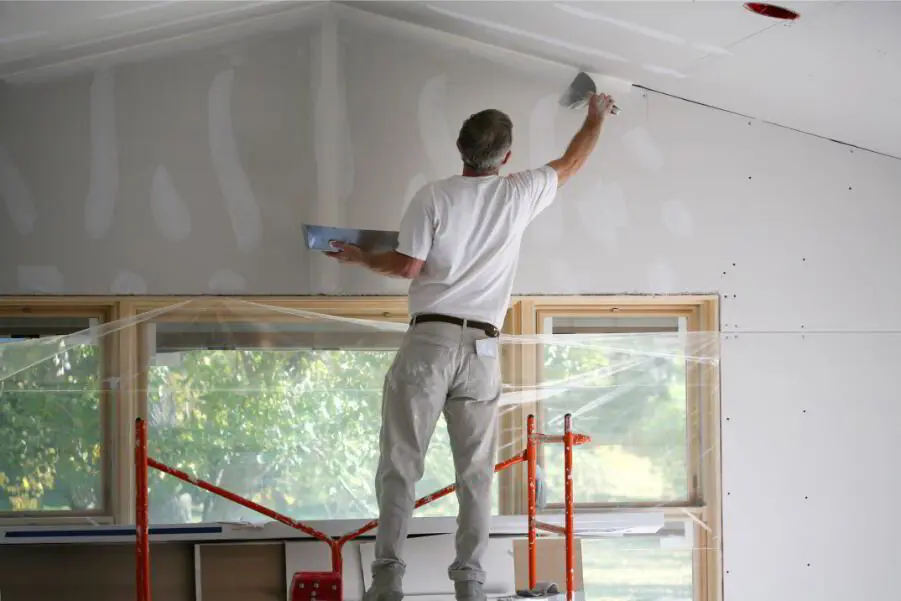
Matching knockdown, orange peel and other finishes used to rely on guesswork. Today, adjustable hopper guns, texture sprayers and specialised knockdown knives give finishers more control over spatter size and pattern. Small repairs can be blended with aerosol texture, but larger areas look more consistent with professional spray equipment.
Repairs for plaster walls
Some older homes in the region have plaster rather than drywall. Modern repair methods include:
- Plaster washers and adhesive to reattach loose plaster to lath without removing it
- Bonding agents that help new plaster grip old surfaces
- Veneer plaster for smooth, hard finishes over new board
Our plaster repair service uses these methods to preserve original walls where possible.
Higher finish standards
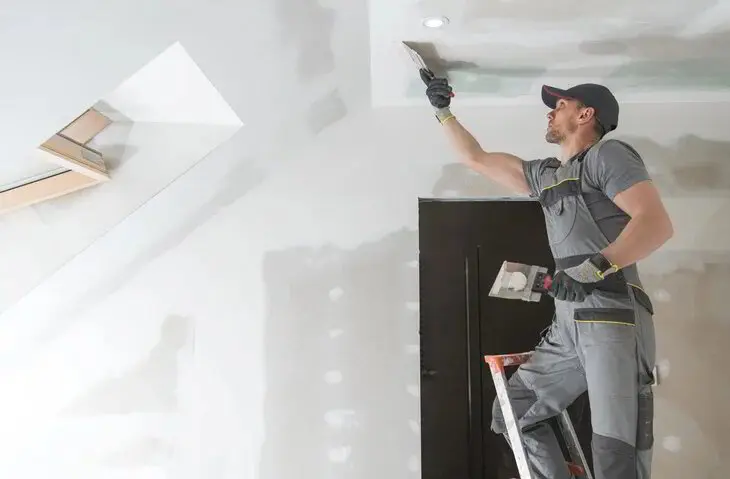
Bright, glancing light from big windows and sliding doors shows every ridge. More homeowners now ask for a Level 5 finish – a thin skim coat over the entire surface – in rooms with strong side light or glossy paint. Our guide to drywall finishing levels explains how each level compares.
Safer handling of old ceilings
One thing that has not changed: popcorn ceilings in homes built before the mid-1980s may contain asbestos. Modern practice is to test before disturbing the texture and to follow the results, rather than assume.
Which innovations matter for your home?
For most Florida homeowners, the upgrades that pay off are:
- Setting compound for deep fills and humid weather
- Moisture-resistant board in wet rooms
- Flexible bead on corners that keep cracking
- HEPA dust control during any sanding
- A higher finish level in brightly lit rooms
If you want a repair done with these methods, our drywall finishers can help. We serve homeowners across six counties, including Sarasota County. Text a photo to 727-242-8500 for a written estimate, usually within the hour.