Every house has a few drywall quirks, but the ones that show up in Tampa homes tend to follow a pattern. Heat, humidity, slab foundations, attic air handlers and summer storms all leave a distinctive mark on interior walls and ceilings.
This guide works like a field guide: find the symptom you're seeing, learn what usually causes it here, and see whether it's a genuine easy fix or a sign of something that needs a closer look.
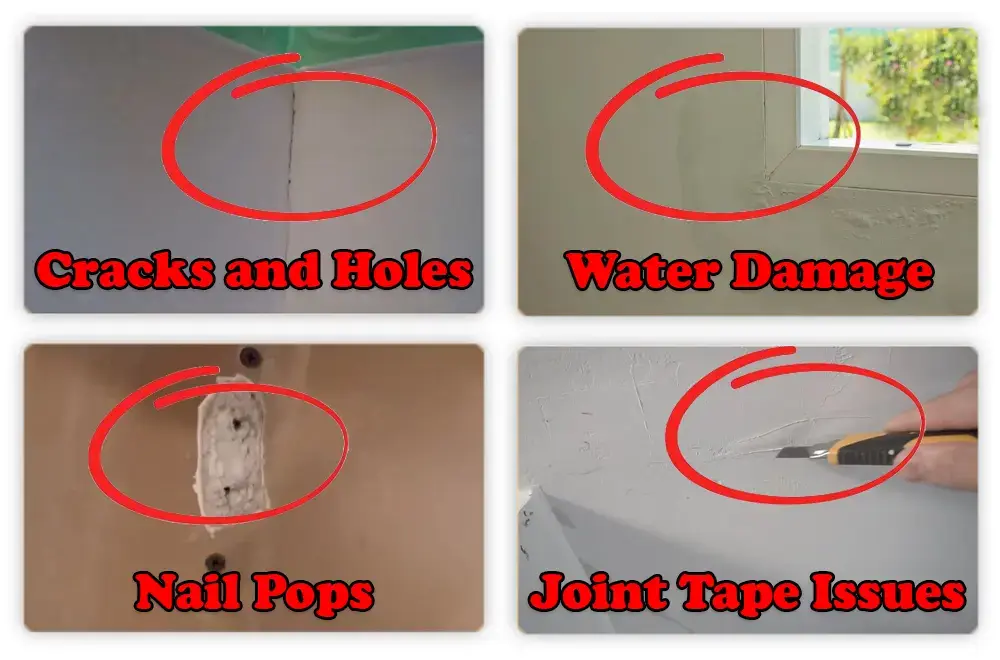
Nail pops and screw pops
What you see: Small round bumps or cracked circles in the paint, often in a line along a stud or ceiling joist.
Why it happens: Framing lumber shrinks and swells slightly as humidity changes, and fasteners that weren't driven correctly work loose. Nails are more prone to this than screws. In Florida, the swing between a closed-up, air-conditioned house and a humid summer can make pops more noticeable.
Easy fix? Usually yes. Drive a drywall screw just above or below the popped fastener to pull the board tight, set the old nail below the surface, cover both with a couple of thin coats of compound, sand, prime and paint.
Bubbling or peeling drywall tape
What you see: A raised strip or blister along a seam, sometimes with the paper tape peeling loose.
Why it happens: The tape wasn't fully bedded in compound during installation, leaving air pockets. Humidity or a minor leak then weakens what little bond there was.
Easy fix? For a short section, yes. Cut out the loose tape with a sharp utility knife, re-tape with fresh compound, and feather the edges wide. Long runs of failing tape are better handled by a pro, since the whole seam often needs redoing.
Cracks above doors and windows
What you see: Diagonal cracks running from the corners of door frames and windows.
Why it happens: Openings are natural stress points. Every time a door slams or the house shifts with temperature changes, that corner flexes. Seams placed right at the corner of an opening make it worse.
Easy fix? Partly. Filling the crack with compound alone rarely lasts. A durable repair opens the crack slightly, embeds mesh or paper tape, and refinishes. Our guide on fixing drywall cracks quickly walks through the technique.
Cracked or dented corner bead
What you see: A crack running vertically along an outside corner, or a dent where the metal edge has been knocked in.
Why it happens: Outside corners take hits from furniture, vacuum cleaners and moving day. Metal bead can also rust or loosen if the area has been damp.
Easy fix? Small dents can be filled. A cracked, loose or rusted bead should be cut out and replaced, which takes more skill to get straight.
Sagging ceiling drywall
What you see: A visible dip between ceiling joists, sometimes with a stain, sometimes not.
Why it happens: Water from a roof leak or AC condensate overflow is the most common cause in Tampa. Board that is too thin for the joist spacing, or heavy texture applied to a ceiling in humid conditions, can also sag over time.
Easy fix? No. A sagging ceiling should be checked promptly, especially if it's soft or stained, because wet drywall can fail suddenly. The section usually needs to be cut out and replaced after the moisture source is fixed and the area is dry.
Water stains and soft spots
What you see: Brown or yellow rings, bubbling paint, or drywall that feels spongy when pressed.
Why it happens: Leaks from roofs, plumbing, windows during wind-driven rain, or AC drain lines and pans. Soft spots near the floor can also mean water wicking up from a wet slab or an appliance leak.
Easy fix? Only if the stain is old and dry and the board is still firm — then a stain-blocking primer and paint will do. Soft drywall has lost its strength and must be replaced. Any musty smell suggests mold, which means the repair should include cutting out affected material rather than covering it.
Holes and dents
What you see: Doorknob holes, anchor holes, a fist- or furniture-sized break.
Why it happens: Everyday life. These are the least mysterious drywall problems in any home.
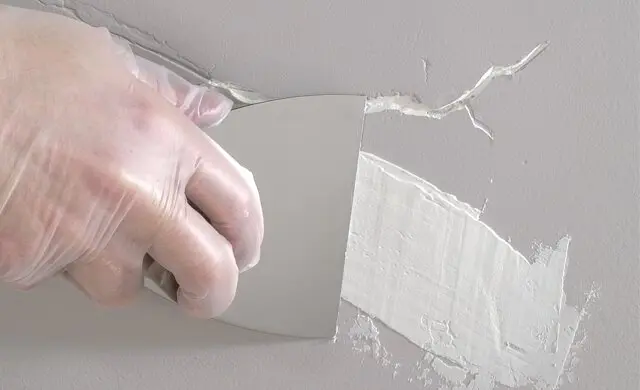
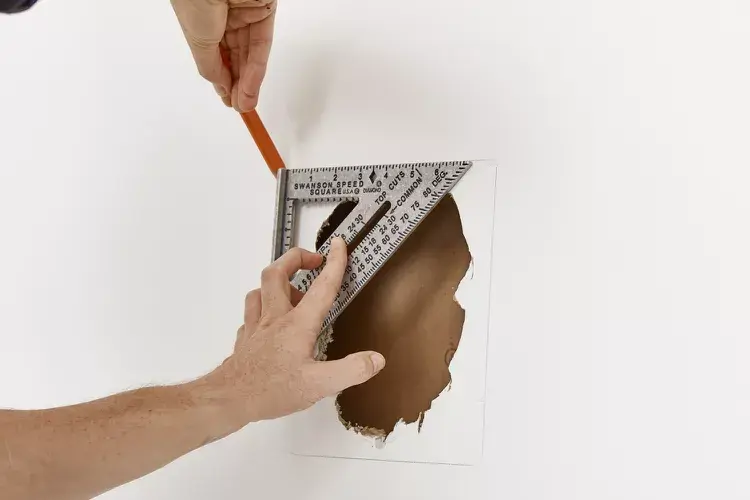
Easy fix? Small holes, yes, with spackle or a self-adhesive patch. Larger holes need a backing and a cut-in drywall patch, plus texture matching if your walls aren't smooth.
Patterns that point to a bigger issue
A single crack is normal. Call for a professional look if you notice:
- Many new cracks appearing at once in several rooms
- Cracks that are wider at one end or keep growing
- Doors that suddenly stick alongside new wall cracks
- Stains that return after painting
- Any combination of sagging, softness and musty odour
These can point to moisture, roof or structural issues that should be checked before cosmetic repairs.
When to call in help
For seam and corner cracks that keep coming back, our crack and seam repair service fixes the cause rather than just the surface. Holes, water damage and ceiling sections are covered by our Hillsborough County drywall repair team, and homeowners east of Tampa can find us on our Brandon drywall page. Text a photo to 727-242-8500 for a free written estimate.