Clearwater has plenty of homes with walls that were finished long before drywall became the default. Some neighbourhoods near downtown and along the older streets off Drew Street and Fort Harrison have houses with plaster on wood lath, and many Florida homes of every era have plaster or stucco-style finishes applied directly to concrete block.
When that plaster cracks, crumbles or bulges, the first instinct is often to rip it out and hang drywall. Sometimes that's right. More often, a targeted plaster repair is faster, less messy and kinder to the budget. This guide helps you decide.
How plaster walls differ from drywall
Plaster is applied wet in layers and cures into a hard, dense shell. That gives it real advantages: it's tougher against dings, it deadens sound better than a single layer of drywall, and it often carries curved corners and details that are expensive to reproduce.
There are two common types in Pinellas homes:
- Plaster on lath: Wet plaster is pushed through gaps in wood strips so it hooks onto them ("keys"). Found mainly in older interior walls and ceilings.
- Plaster on masonry: Applied directly to concrete block, typically on the inside face of exterior walls. It bonds to the block rather than hanging from lath.
The type matters, because the way each one fails — and the way it's fixed — is different.
Damage that is usually worth repairing
Most plaster problems are local, which is why repair tends to be the affordable option:
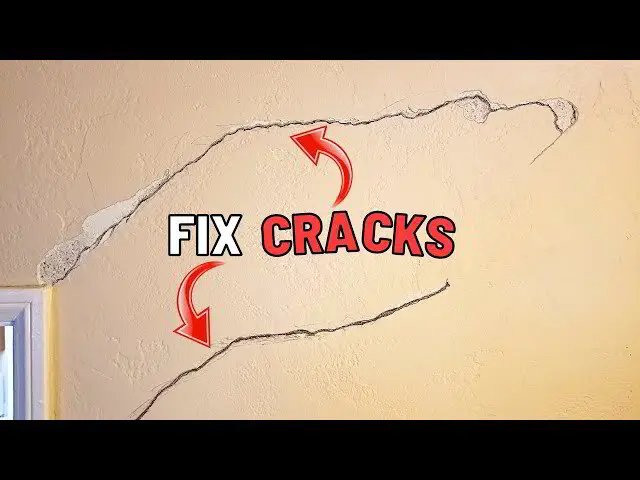
- Hairline and settlement cracks: Common around door and window corners. They can be routed out, bridged with a fibreglass mesh and refinished so they don't telegraph back.
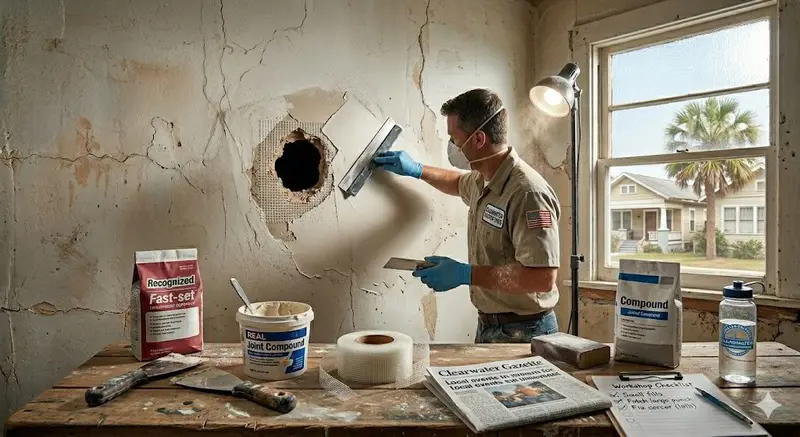
- Small holes and gouges: From anchors, old fixtures or furniture. Filled in layers with setting-type compound or patching plaster.
- Delaminated finish coat: The thin top layer flakes off but the base coat underneath is sound. The loose finish is scraped back and a new skim coat applied.
- Localised loose plaster on lath: If a section has lost its keys but hasn't fallen, it can often be re-secured with plaster washers and screws, then skimmed.
When replacement makes more sense
Repair stops being the economical choice when the damage is widespread or the plaster is wet:
- Large areas sag, bulge or sound hollow when tapped
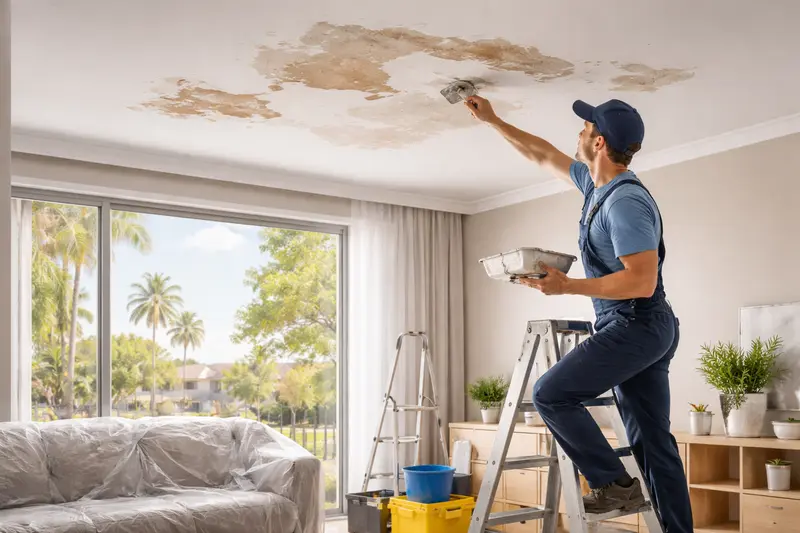
- The plaster is soft or powdery from a long-term leak
- You're opening the walls anyway for rewiring, plumbing or insulation
- Mold has grown behind the surface
Even then, you don't always have to replace the whole room. A damaged section can be cut back to sound plaster and filled with drywall of matching thickness, then skim-coated so the transition disappears.
A quick self-check before you call
Run through these at home:
- Tap test: Knock gently with a knuckle. A solid sound is good; a hollow, rattly sound means the plaster has let go of its base.
- Press test: Push lightly near a crack. If the surface flexes, the keys have broken.
- Moisture check: Look for staining, bubbling paint or a chalky white crust (efflorescence) on block walls — signs that water is moving through.
- Crack pattern: One straight crack from a door corner is typical settlement. A web of cracks across a ceiling suggests looser plaster.
Take photos of what you find. Those notes make an estimate far more accurate.
The Florida moisture factor
On exterior block walls, interior plaster problems frequently start outside. Wind-driven rain during summer storms and hurricanes can push water through cracked stucco or failed window seals, and it surfaces as bubbling paint or efflorescence on the inside. Patching the plaster without addressing that water path means you'll be patching again next season.
Indoors, Clearwater's humidity slows drying. Plaster and setting compounds need adequate cure time between coats, and rushing that is a common cause of repairs that crack or show through paint.
What a professional plaster repair involves
A typical repair follows a clear sequence:
- Protect floors and furniture, and set up dust control
- Remove loose or failed material back to a sound edge
- Re-secure loose plaster or fill voids with base material
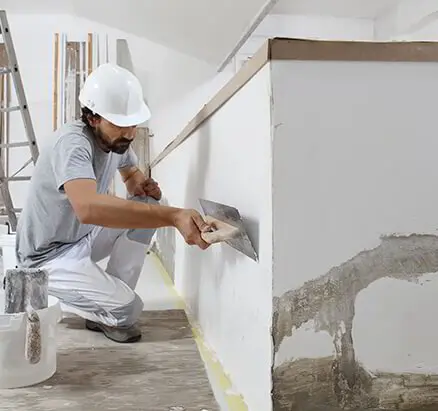
- Apply finish coats and match the existing texture — smooth, sand-float or hand-troweled
- Prime with a product suited to fresh plaster, then paint
At The Patch Guyz, plaster work is handled by Danny, our plaster specialist, and every job uses HEPA dust control as standard. If you're dealing mainly with cracks, our guide to repairing plaster cracks in Florida goes deeper on that specific problem.
Keeping the project affordable
- Repair what's failing, not the whole wall. Sound plaster doesn't need replacing.
- Fix water sources first so the repair lasts.
- Group repairs — several rooms of cracks in one visit is more efficient than piecemeal calls.
- Get a written quote so the scope and price are fixed before work starts.
Getting a plaster quote in Clearwater
Our plaster wall and ceiling repair service covers the full range of interior plaster problems, and if you have cracks at drywall seams elsewhere in the house, our seam and crack repair team can take care of those in the same visit. We're based on Drew Street, so Clearwater homeowners can learn more on our Clearwater drywall and plaster page or simply text a photo to 727-242-8500 for a free written estimate.